Signs Your Deck Needs to Be Restained
Noticing signs your deck needs to be restained, like fading or peeling, indicates that local contractors can help restore its appearance and protect the wood.
If a deck has started to look dull, faded, or weathered, it may be a sign that it’s time to consider restaining. Property owners in the area often notice issues like peeling or cracking stain, grayish discoloration, or uneven color that diminishes the deck’s appearance and longevity. Recognizing these signs early can help preserve the wood’s integrity and keep outdoor spaces inviting. Fortunately, experienced local contractors offer professional deck restaining services designed to restore beauty and protect the surface, making it easier to maintain a safe and attractive outdoor area.
Keeping an eye out for visible wear and tear is a practical way to determine when a deck needs attention. If the stain no longer provides a smooth, consistent finish or if water no longer beads on the surface, these are indicators that the existing stain has worn out. Addressing these issues promptly with the help of skilled service providers can extend the life of the deck and prevent more costly repairs down the line. Exploring options for deck restaining ensures property owners can keep their outdoor spaces looking their best while safeguarding their investment.
- Wood Decks - fading color or grayish appearance can indicate the need for restaining, and local contractors assess the surface to restore its original look.
- Composite Decks - signs of wear or peeling stain suggest it’s time for a refresh, with service providers specializing in proper preparation and application.
- Pressure-Treated Decks - areas where the stain has worn thin or water no longer beads up are common reasons to seek restaining services.
- Painted Decks - peeling or cracking paint can expose the wood to damage, prompting local pros to recommend stripping and restaining for protection.
- Older Decks - weathered or discolored surfaces often require professional restaining to extend the deck’s lifespan and improve its appearance.
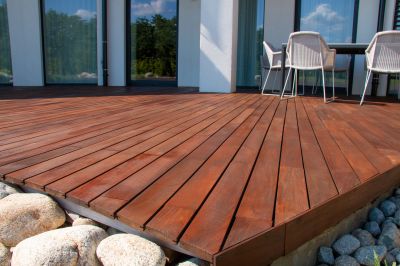
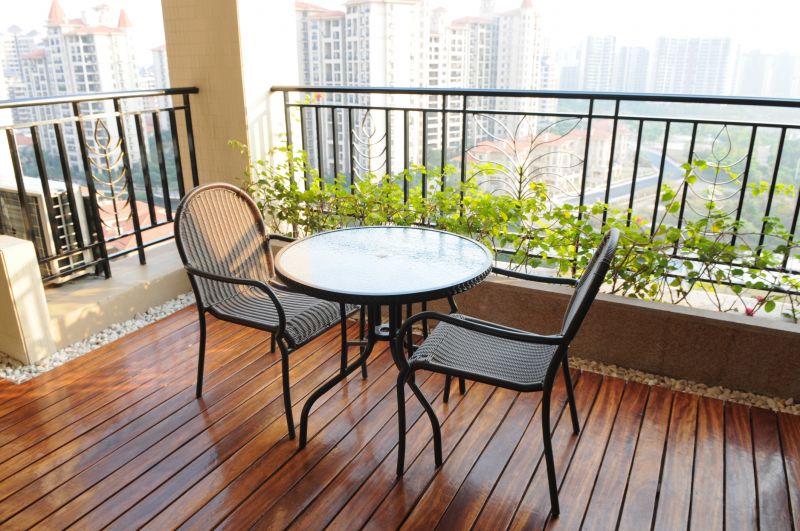
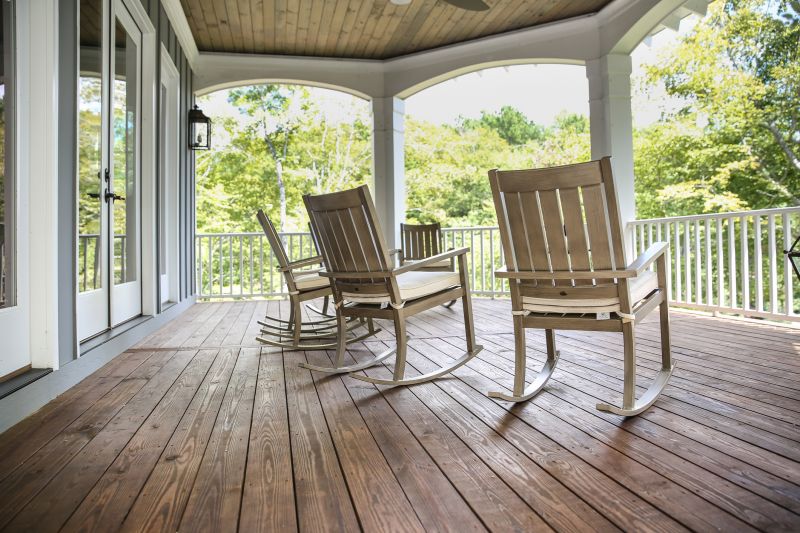
When homeowners search for signs their deck needs to be restained, they are typically looking for clear indicators that the existing finish has worn out or been compromised. Over time, exposure to the elements causes the protective stain on a deck to fade, peel, or become uneven. This fading often appears as a loss of color or brightness, making the wood look dull or washed out. Peeling or flaking stain is another common sign, revealing bare wood underneath and indicating that the previous finish no longer adheres properly. Recognizing these signs early can prevent further damage and help maintain the deck’s appearance and longevity.
This topic is closely related to plans for maintaining or restoring a deck’s appearance, as well as protecting the underlying wood from weather-related deterioration. A deck that shows signs of wear may also be more susceptible to moisture infiltration, which can lead to wood rot, warping, or mold growth. Homeowners often consider restaining as part of their overall outdoor space upkeep or renovation projects. Addressing these issues promptly with professional deck restaining services can help preserve the deck’s structural integrity, extend its lifespan, and keep it looking inviting and well-maintained.
Properties that typically come up in discussions about signs your deck needs to be restained include residential homes, especially those with wooden decks in visible areas like backyards or patios. These properties often feature decks that are exposed to frequent sunlight, rain, and temperature fluctuations, which accelerate the wear and fading of stain or finish. Multi-story homes, vacation properties, and cottages with outdoor decks are also common examples, as their decks may endure intense weather conditions or seasonal changes. Regardless of the property type, a deck that exhibits signs of aging or damage can benefit from professional restaining to restore its appearance and protect the wood.
Understanding these signs helps homeowners connect their observations to practical projects involving deck maintenance or renovation. When a deck begins to show visible wear-such as discoloration, peeling, or splintering-it’s a clear signal that the existing stain needs refreshing. Local contractors specializing in deck restaining can assess the condition of the surface, recommend appropriate treatments, and provide expert application to ensure the best results. Recognizing these early indicators and seeking professional help can make the process of restoring a deck more straightforward, cost-effective, and successful in maintaining a safe, attractive outdoor space.
Fence Staining Projects - staining fences requires similar surface preparation and attention to weather conditions, making it comparable to deck restaining tasks.
Wood Paneling Refinishing - restoring or refreshing interior or exterior wood paneling involves similar techniques for cleaning, sanding, and applying protective finishes as deck restaining.
Outdoor Furniture Restoration - refinishing outdoor wood furniture involves surface prep and finishing skills that are applicable to maintaining and restoring decks.
Porch and Patio Surface Treatments - applying stain or sealant to porch or patio surfaces shares planning and application methods with deck restaining projects.
Deck Repair and Restoration - addressing structural issues alongside surface refinishing requires similar assessment skills used in deck restaining.
Siding and Exterior Wood Maintenance - maintaining exterior wood siding involves surface preparation and protective coating application akin to deck staining processes.
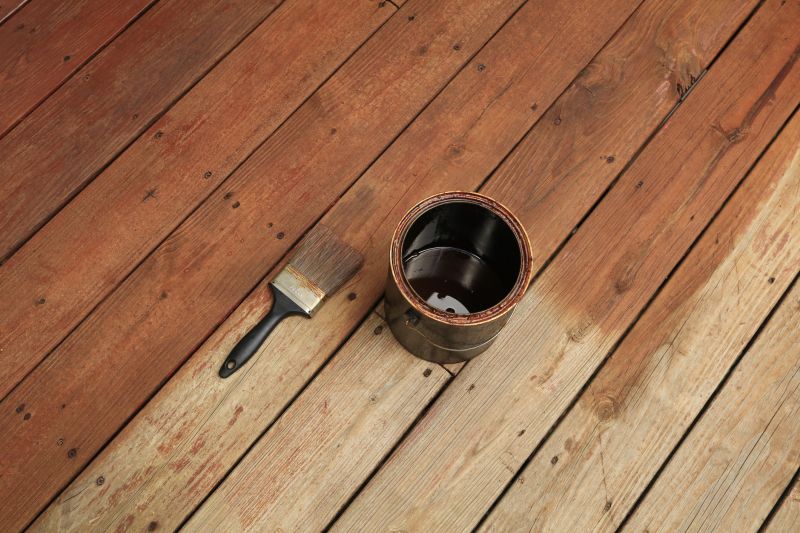
When evaluating potential service providers for deck restaining, it is important to consider their experience with similar projects. A contractor who has completed numerous deck restaining jobs can offer insights into the best practices for preparing and finishing a deck, ensuring the work is performed efficiently and effectively. Homeowners should inquire about the types of decks the contractor has worked on, the materials used, and any specific challenges they have addressed, as this can provide confidence in their ability to handle the unique aspects of their own project.
Clear written expectations are essential for a successful deck restaining process. Reputable local contractors should be able to provide detailed descriptions of the scope of work, including surface preparation, stain application, and any necessary repairs or adjustments. Having these details in writing helps prevent misunderstandings and ensures that both parties are aligned on the project’s goals. Homeowners are encouraged to ask for a comprehensive outline of the services offered and to clarify any questions about the process before committing to a contractor.
Good communication and reputable references are key indicators of a dependable service provider. Homeowners can ask potential contractors for references from past clients who had similar work done, which can reveal the contractor’s reliability and quality of work. Additionally, a contractor’s responsiveness to questions and their willingness to explain the process can reflect their professionalism and commitment to customer satisfaction. Choosing a local contractor known for transparent communication and positive references can help ensure the project proceeds smoothly and meets expectations.
Property owners often search for signs your deck needs to be restained when they are planning practical projects around their homes and businesses. Local pros provide Deck Restaining services for everyday jobs and straightforward project options.
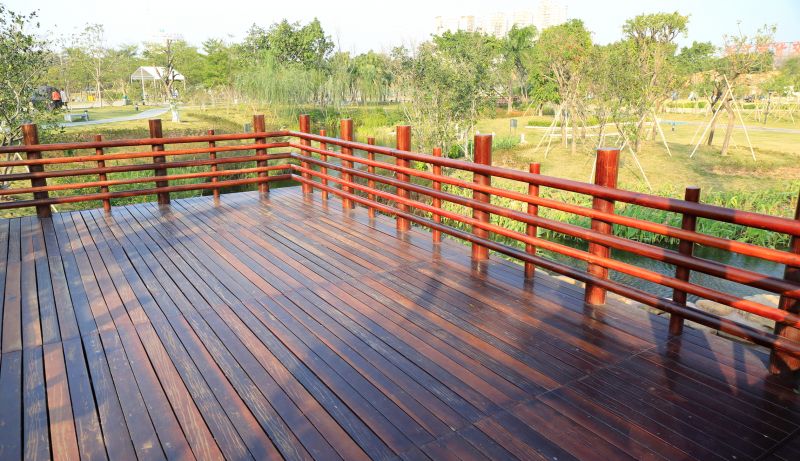
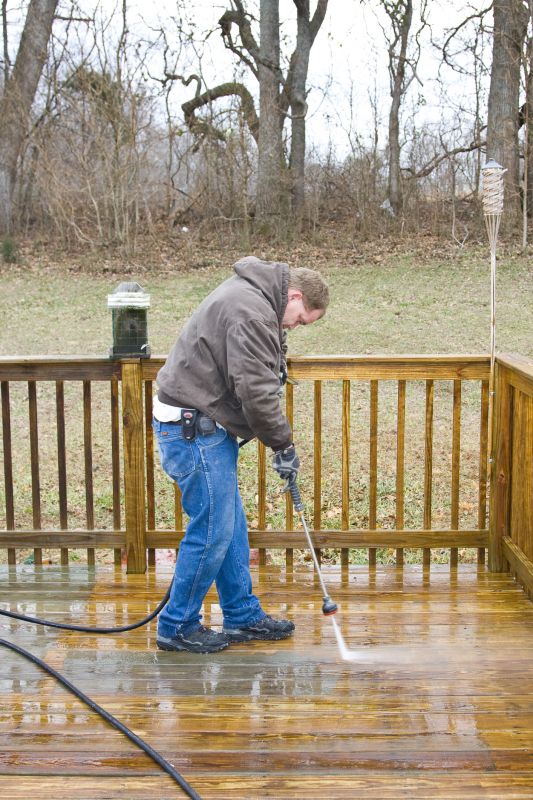
Over time, signs your deck needs to be restained become more noticeable, especially after harsh weather or seasonal changes. Fading color is a common indicator, as the stain begins to lose its vibrancy and the wood underneath becomes more visible. Additionally, peeling or cracking stain can signal that the protective coating has worn thin, leaving the wood vulnerable to damage. Property owners noticing these issues often seek out local contractors who specialize in deck restaining to restore the appearance and protect the wood from further deterioration.
Other signs include areas where the stain appears uneven or blotchy, which can happen when moisture seeps into the wood or when previous coatings have failed. If the surface feels rough or shows signs of splintering, it may be time for a refresh to prevent safety hazards and prolong the deck’s lifespan. Local service providers experienced in deck restaining can evaluate these issues and recommend the appropriate treatment to revive the deck’s look and durability.
How can I tell if my deck's stain is fading? If the color of your deck appears uneven or looks washed out compared to when it was first stained, it may be a sign that the stain is fading and needs to be refreshed by local contractors.
Are there visible signs of peeling or cracking on my deck? Peeling, cracking, or bubbling of the stain indicate that the protective coating is deteriorating and that a restaining service from local pros could help restore its appearance and protection.
What does it mean if my deck looks dull or gray? A dull, grayish appearance often suggests that the stain has worn away or weathered, making it a good time for local service providers to apply a fresh coat of stain.
How do I know if my deck has developed mold or mildew? The presence of dark spots, mold, or mildew on the surface can signal that the stain is compromised, and professional restaining can help improve the deck’s appearance and prevent further damage.
When should I consider restaining my deck based on surface condition? If the surface feels rough, splinters are more noticeable, or the stain no longer provides a smooth finish, local contractors can assess and restore your deck with proper restaining services.
Faded or dull appearance - noticing your deck looks less vibrant than when it was new can indicate it’s time for a restain, and local contractors can help restore its original beauty.
Visible cracks or splinters - if the wood shows signs of splitting or splintering, restaining services can include repairs and sealing to protect the surface.
Peeling or flaking finish - when the stain starts to peel or flake off, it’s a clear sign that a fresh coat from experienced service providers can improve durability.
Water no longer beads on the surface - if water soaks into the wood instead of beading up, local professionals can apply a new stain to enhance water resistance.
If you are thinking about signs your deck needs to be restained for a property, this guide is meant to help you understand this topic, the typical project types, and how different options might fit your plans.
When you are ready, you can use the quote form on this page to share a few details about your project. From there, local pros can review the basics and follow up with options that match what you have in mind.